Body armor ratings get thrown around casually, but the numbers and letters behind them are based on actual testing standards, not marketing language. The National Institute of Justice, or NIJ, sets the benchmark that most manufacturers test against, and understanding what each rating actually covers makes a real difference when choosing armor for a specific purpose.
How the NIJ Rating System Works
The NIJ standard breaks armor into levels based on the type and caliber of rounds it is tested against, along with the velocity those rounds are fired at during testing. Soft armor levels, typically labeled IIA, II, and IIIA, are rated against handgun rounds of increasing power, from lower velocity 9mm up through higher velocity magnum rounds. These levels are generally lighter and more flexible, which is why they show up so often in concealable vests worn under clothing.
Once you move into rifle-rated protection, the standards change significantly. This is where hard armor plates come into play, since soft materials alone cannot stop rifle rounds at the velocities involved.
What Rifle Rated Protection Actually Covers
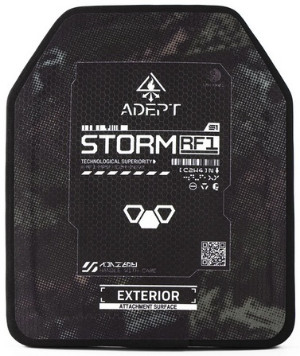
Level 3 body armor is tested against rifle rounds, most commonly 7.62mm rounds fired from rifles like an AK pattern weapon, at specified velocities. This is a meaningful jump from handgun rated armor, since rifle rounds carry far more energy and require rigid plates, usually made from ceramic, steel, or polyethylene, rather than the flexible weave used in soft armor.
Level 3 body armor is often the baseline choice for anyone expecting to face rifle threats, since it balances weight, cost, and protection reasonably well compared to the higher rated Level IV plates, which are tested against armor piercing rifle rounds and tend to be heavier and more expensive.
Choosing the Right Level for the Actual Threat
The right rating depends entirely on the threat someone actually expects to face, not the highest number available. Overbuilding for threats that are unlikely just adds unnecessary weight, while underbuilding leaves real gaps in protection. Knowing what each rating is actually tested against, rather than assuming higher always means better, is the difference between an informed choice and a guess.
Author Resource:-
Jeson Clarke advises people about body armor, offering insights on protective gear and advanced safety solutions. You can find his thoughts at armor materials blog.