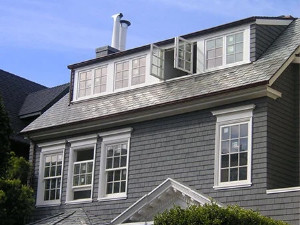
Weather does more to a roof than most homeowners realize. Sun, rain, wind, and temperature swings all wear away at roofing materials over time, and the coating you choose has to stand up to whatever your local climate throws at it. Understanding how climate shapes coating performance can help you make smarter choices and avoid costly repairs down the road.
Sun and Heat Exposure
In hot, sunny regions, UV rays are one of the biggest threats to a roof's surface. Constant exposure breaks down coating materials, causing them to crack, fade, or lose their protective properties faster than expected. Reflective coatings are especially popular in warmer climates because they bounce sunlight away from the building instead of absorbing it. This helps lower indoor temperatures and can even reduce energy bills during the hottest months. Homeowners in sunbelt areas often turn to professional roof coating services to apply UV-resistant formulas that are built to handle years of intense sun without breaking down. Looking for reliable roof coating services? Visit this website today.
Rain, Humidity, and Freeze-Thaw Cycles
Wet climates bring a different set of challenges. Moisture that seeps into tiny cracks can expand and contract with temperature changes, especially in areas that see freezing winters. This freeze-thaw cycle puts extra stress on roofing materials and can lead to leaks if the coating isn't up to the task. Humid regions also face a higher risk of mold and mildew growth, which can slowly eat away at a roof's protective layer. Coatings designed for wet climates typically include waterproofing agents and mildew-resistant additives to keep moisture from becoming a long-term problem.
Choosing the Right Coating for Your Climate
There isn't a one-size-fits-all solution when it comes to roof coatings. What works well in Arizona won't necessarily hold up in Minnesota, and vice versa. Talking to local roof coating services can help you figure out which product matches your region's specific weather patterns. A coating that's properly matched to your climate will last longer, perform better, and ultimately save you money by reducing the need for frequent repairs or early replacement.
Author Resource:-
Jeson Clarke writes about roofing and waterproofing solutions, sharing practical contractor insights for safer, stronger properties. You can find his thoughts at roofing service blog.