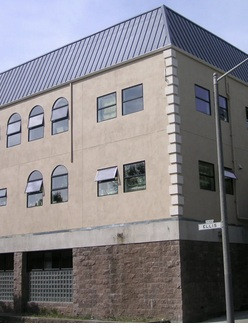
If you have ever looked at a house and noticed the roof sloping upward to a central ridge, you have seen a pitched roof. It is one of the most common roof styles in residential construction, and for good reason. Pitched roofs are practical, durable, and come in a wide range of styles to suit different home designs and climates. But beyond the basics, there is quite a bit worth understanding about how they work and why they remain such a popular choice for homeowners.
The Basics of How a Pitched Roof Works
A pitched roof is defined by its slope, or pitch, which is the angle at which the roof rises from the horizontal. This slope is typically expressed as a ratio, such as 4:12, meaning the roof rises four inches for every twelve inches of horizontal run. A steeper pitch sheds water and snow more efficiently, which is why you tend to see sharper angles in regions that get heavy rainfall or significant snowfall in winter.
Pitched roofs come in several variations. The gable roof, with its two sloping sides meeting at a central ridge, is the most recognizable. Hip roofs slope on all four sides and tend to perform better in high-wind areas. Mansard and gambrel styles add extra usable space beneath the roofline, making them popular for homes that incorporate attic rooms or loft conversions.
The materials used on a pitched roof vary widely too, from traditional clay and concrete tiles to slate, metal panels, and asphalt shingles. Each material carries different considerations around cost, lifespan, and maintenance.
Choosing the Right Professional for the Job
Getting a pitched roof installed or repaired correctly requires real expertise. The slope, the underlayment, the flashing around chimneys and dormers, all of it has to be done right to keep water out and the structure sound. Working with a qualified pitched roofing contractor gives you the confidence that the job meets current building standards and is backed by proper warranties.
Whether you are building new, replacing an aging roof, or dealing with storm damage, an experienced pitched roofing contractor can assess your specific situation and recommend the best solution for your home and budget.
Author Resource:-
Jeson Clarke writes about roofing and waterproofing solutions, sharing practical contractor insights for safer, stronger properties. You can find his thoughts at roofing contractor blog.