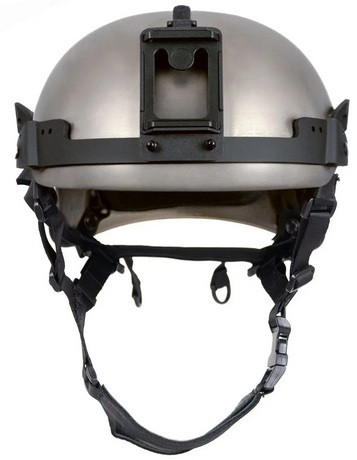
Head protection has come a long way from the heavy steel pots issued to soldiers decades ago. What started as a simple, blunt approach to stopping shrapnel has turned into a highly engineered piece of gear that balances weight, protection, and functionality in ways early designers never could have managed with the materials available to them.
From Steel to Advanced Composites
Early head protection gear was built almost entirely from steel, which offered decent protection against shrapnel but did little against direct rifle fire and added significant weight to the wearer. That weight came with real consequences, contributing to neck strain and fatigue over long deployments. The shift toward Kevlar in the later part of the twentieth century marked a major turning point, cutting weight considerably while improving protection against fragmentation.
More recently, materials like ultra high molecular weight polyethylene have pushed things even further, allowing manufacturers to produce a combat helmet that is both lighter and more protective than its Kevlar predecessors. These composite materials distribute impact more effectively while shaving off weight that adds up significantly over hours of continuous wear. Visit the website today to explore combat helmet options built for dependable protection, secure fit and demanding tactical use.
Beyond Ballistic Protection
Modern head protection is no longer just about stopping a bullet or piece of shrapnel. Today's designs account for the full range of gear a soldier or operator needs to carry on their head, including night vision mounts, communication headsets, and rail systems for attaching lights or cameras. This shift toward modularity means a helmet has to be engineered as a platform, not just a shell.
Padding systems have improved dramatically as well, moving away from simple foam liners toward suspension systems that reduce blunt force trauma from impacts that do not involve ballistic threats at all, like falls or vehicle collisions.
Where the Technology Is Headed
The next generation of combat helmet designs is likely to lean even further into integrated electronics, sensors, and even augmented reality displays built directly into the visor. What began as basic protection against shrapnel has steadily become a piece of technology in its own right, and that trajectory shows no signs of slowing down.
Author Resource:-
Jeson Clarke advises people about body armor, offering insights on protective gear and advanced safety solutions. You can find his thoughts at protective gear blog.