Having enough cryptocurrency in a wallet does not necessarily mean being ready to make a transaction. A portfolio may contain stablecoins, tokens, and other digital assets, yet a transfer can still be impossible if there is not enough of the native asset required to pay the network fee. For users who regularly work with CTRL Wallet, understanding this distinction is an important part of maintaining a reliable on-chain routine.
Gas management becomes even more relevant when several blockchain networks are involved. Each network can have its own fee structure, native currency, and transaction requirements. Anyone researching the CTRL Wallet platform may encounter a ctrl wallet review https://ctrl-wallet.to/ focused on its interface or multi-chain capabilities, but everyday usability also depends on how well the user prepares the wallet for network fees.
Why Gas Balance Matters in CTRL Wallet
Gas represents the resources or fees required to process blockchain activity. The exact mechanism differs between networks, but the practical principle remains similar: a transaction needs an appropriate fee before the blockchain can process it.
The important detail is that the asset being transferred is not always the asset used to pay that fee. A user could have a substantial stablecoin balance but still be unable to send it if the wallet contains no native currency for the relevant network.
CTRL Wallet users should therefore look at their balances from two perspectives. One is the value of the assets they hold. The other is whether those assets can actually be used for the transactions they have planned.
The Token Balance Is Only Part of the Picture
Imagine someone holds a significant amount of a stablecoin intended for regular payments. The balance may look completely sufficient, but the transaction still requires the appropriate network fee.
This is why a practical CTRL Wallet routine should include both asset monitoring and gas monitoring. Checking only the main token balance can create a false sense of readiness.

Maintain Reserves for Frequently Used Networks
Gas should be managed according to individual blockchain networks rather than as one universal wallet balance. Native assets held on one network generally cannot simply be used to pay fees on another.
For users working with CTRL Wallet across multiple chains, this means identifying which networks are actually part of their normal activity.
A useful approach is to divide networks into three categories:
Frequently used networks that deserve a regular gas reserve.
Occasionally used networks that can be funded shortly before planned activity.
Rarely used networks where keeping a large operational balance may be unnecessary.
This method avoids spreading small amounts of native assets across every available network without a clear reason.
Check Gas Before Starting an Important Transaction
Gas management works better when it is preventative. Waiting until the final confirmation stage to discover that a network balance is too low can interrupt an otherwise straightforward transfer.
Before starting an operation in CTRL Wallet, consider checking the network first. Once the blockchain is identified, determine which native asset is needed and whether the current balance provides enough room for the planned activity.
A Simple Pre-Transaction Check
A short checklist can make this process almost automatic:
Identify the asset being transferred.
Confirm the blockchain network.
Determine the native asset used for fees.
Review the available gas balance.
Check the estimated transaction fee.
Leave an appropriate reserve for future activity.
This routine is especially useful for users who frequently send assets, interact with Web3 applications, or perform several transactions during a short period.
Avoid Using Your Entire Native Asset Balance
Another common mistake is treating the entire native asset balance as available for spending. If a wallet contains only enough of the relevant asset to cover one transaction, using all of it may leave nothing for the next operation.
CTRL Wallet users can avoid this problem by treating part of the native balance as an operational reserve. The exact amount depends on the blockchain, transaction frequency, and personal usage patterns.
For occasional users, a modest reserve may be enough. Someone who performs transactions every day may need more flexibility.
Think of Gas as Operational Infrastructure
It can be helpful to separate assets by their purpose.
Some tokens may be held as long-term positions. Others may be intended for payments or trading. Native assets used for transaction fees serve another role: they keep the wallet operational on the corresponding network.
This way of thinking can make CTRL Wallet management more organized because the user is less likely to spend the entire fee balance without considering what comes next.
Network Conditions Can Change the Required Amount
Gas requirements are not always predictable. Depending on the blockchain, transaction costs can change as network activity increases or decreases. A balance that was sufficient for several operations under normal conditions may provide less flexibility when network demand rises.
For that reason, users should avoid building their entire strategy around an exact minimum balance.
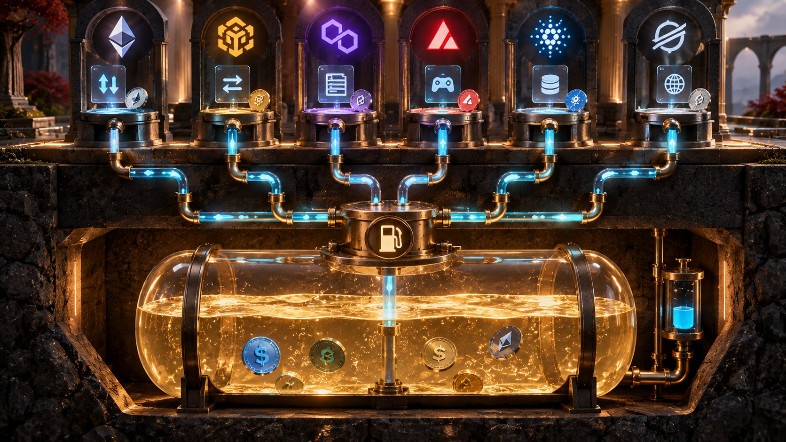
Instead, CTRL Wallet users can maintain a reasonable buffer based on their usual activity. The more frequently a particular network is used, the more useful it can be to maintain a reserve that allows for several routine operations rather than only one.
High-Frequency Activity Requires More Attention
A person making one transfer every few months has different requirements from someone interacting with blockchain applications every day.
Frequent users can include gas checks in their normal CTRL Wallet portfolio review. When looking through balances, they can quickly identify whether any frequently used network is approaching an inconveniently low level.
This takes little time and can prevent problems later.
Do Not Move Gas Without a Reason
When managing multiple networks, users may be tempted to constantly redistribute native assets simply to keep balances looking even. This can create unnecessary transactions and additional fees.
A better approach is to keep operational funds where they are needed.
If a native asset is already positioned on a network that is regularly used, there may be little benefit in moving it elsewhere simply for organizational purposes. CTRL Wallet can serve as a central environment for managing these assets, but that does not mean every balance needs to be consolidated into one location.
Practical organization is more useful than visual symmetry.
Create a Repeatable CTRL Wallet Routine
Gas management does not have to become a complicated process. A simple routine can cover most everyday needs.
When opening CTRL Wallet, review the networks you expect to use. Check the corresponding native balances, identify any unusually low reserves, and replenish only the networks that actually require additional funds.
Before an important transaction, perform another quick check. Confirm the asset, network, destination, fee requirement, and remaining balance. This creates a consistent process that reduces the chance of discovering a gas shortage at the last moment.
Keeping On-Chain Activity Predictable
Effective gas management is ultimately about preparation rather than constantly watching transaction fees. CTRL Wallet users can make regular blockchain activity easier by maintaining sensible network-specific reserves and understanding the difference between a valuable portfolio and a transaction-ready wallet.
The key habit is simple: before moving an asset, identify the network that will process the transaction and make sure the corresponding native fee balance is available. When that check becomes part of the normal CTRL Wallet workflow, everyday on-chain activity becomes easier to plan and less likely to be interrupted by an avoidable shortage.