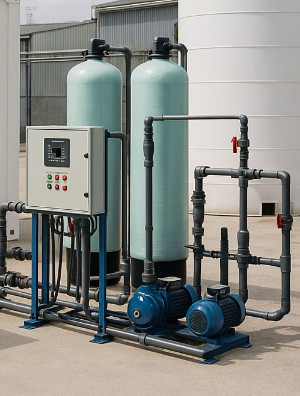
Why Rentals Beat Capex for Treatment Needs
Choosing a rental water treatment plant lets operations avoid heavy upfront capital and long depreciation tails. Rentals shift spending to predictable operating expenses, keep balance sheets lighter and speed deployment for new wells, seasonal peaks, shutdowns, or pilot runs. Short terms fit temporary projects; longer terms stabilize costs for multi-year campaigns. Most importantly, rentals arrive standardized, pre-tested and supported—reducing startup risk, spare-parts stock and in-house diagnostic time that typically inflate total cost of ownership.
Match Capacity to Real Demand
Oversizing burns money on idle membranes, pumps and energy. Right-sizing begins with real flow profiles: base load, peaks and upset conditions. A modular rental lets you add or remove skids as demand shifts, avoiding sunk costs. Negotiate tiered pricing tied to modules online, not nameplate capacity. Include provisions for rapid swaps when influent quality drifts (TSS spikes, salinity swings), so you pay only for what treats water effectively today—not theoretical futures.
Turn Downtime into Measurable Savings
Unplanned outages drive overtime, emergency trucking and contract penalties. Build service-level commitments into the rental: guaranteed spare modules, defined response times and remote monitoring dashboards. Specify mean time to resolution for critical alarms and parts replacement windows. Make the provider carry inventory risk and performance penalties. Every hour of avoided downtime protects product yield and reduces the hidden costs that typically dwarf the monthly fee.
Optimize Consumables and Energy Together
Chemical overfeeds, premature media changeouts and fouling all add up. Ask providers to bundle water treatment solutions —membranes, antiscalants, cleaning protocols and CIP schedules—into a performance price per cubic meter. Tie payment to KPIs such as specific energy (kWh/m³), recovery rate, SDI thresholds and effluent specs. With aligned incentives, the vendor tunes flux, backwash and CIP frequency to minimize whole-of-system cost rather than selling more consumables.
Contract for Data, Not Just Equipment
Demand transparent telemetry: influent/effluent quality, differential pressures, energy draw, CIP events and alarm history. Require monthly optimization reviews with root-cause analysis and a rolling cost-per-m³ dashboard. Include an improvement clause that shares savings if process changes cut unit cost. This turns the rental from a static line item into a continuous improvement engine that documents compliance and supports budget decisions.
Plan the Exit Without Surprise Costs
Add end-of-term options—extend, downsize, buyout, or demobilize—with fixed fees. Pre-define sanitation and decommissioning steps, site restoration and training handover. Clear exit paths prevent last-minute surcharges and keep operations audit-ready.
Author Resource:-
Lee Wood writes about sustainable and scalable water and wastewater treatment solutions.