Bathroom habits are changing as people look for cleaner, more comfortable, and practical ways to improve personal hygiene. One solution that has gained attention is the toilet bidet, which combines toilet use with a gentle water-cleaning function. Unlike traditional toilet paper alone, a water-based cleaning system can provide a fresh and comfortable experience while also reducing dependence on paper products.
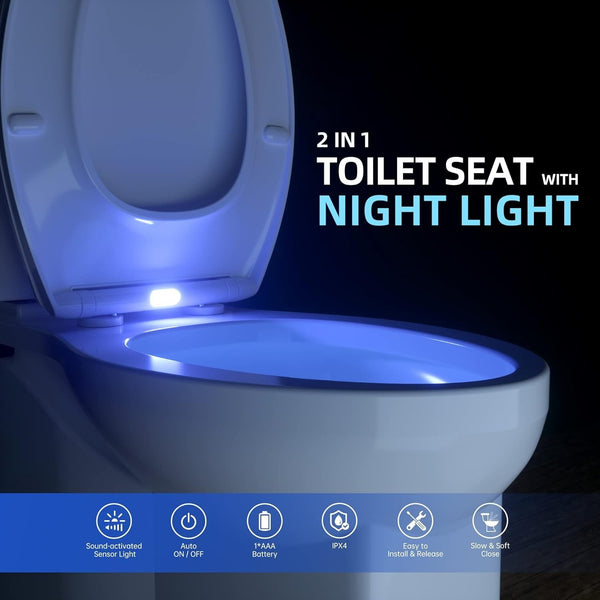
Modern bidet systems are available in different designs, from simple attachments to advanced toilet seats with adjustable settings. This makes them suitable for a wide range of bathrooms, whether the goal is better hygiene, greater comfort, or a more convenient daily routine.
What Is a Bidet Toilet System?
A bidet toilet system uses a controlled stream of water to clean the user after using the toilet. Depending on the design, the system may be built directly into the toilet or installed as a separate seat or attachment.
Basic models generally focus on water cleansing, while more advanced options can include adjustable water pressure, temperature control, heated seating, and specialized washing settings. These features allow users to choose a cleaning experience that suits their individual preferences.
Installation requirements can vary considerably between models. Some systems are designed to fit existing toilets, while others require a complete replacement. Before purchasing, it is important to check toilet dimensions, available bathroom space, plumbing connections, and whether an electrical outlet is required.
Benefits of Using a Bidet
One of the main advantages of water-based cleansing is improved personal hygiene. Water can provide a thorough cleaning after toilet use and may feel more comfortable than relying entirely on dry toilet paper. For people who experience sensitivity or discomfort, a gentle water stream can also offer a softer alternative.
Convenience is another important benefit. Once properly installed, the system can become a simple part of the normal bathroom routine. Adjustable controls allow users to manage water pressure and, on certain models, water temperature.
There can also be environmental advantages. Regularly using less toilet paper may help reduce household paper consumption. While the overall environmental impact depends on the product, water use, manufacturing, electricity consumption, and individual habits, reducing paper reliance can be one practical consideration when choosing a bathroom hygiene system.
Choosing the Right System
Selecting the right model starts with understanding personal needs and bathroom requirements. A basic attachment may be suitable for someone who wants a straightforward water-cleaning function without additional features. A more advanced electronic seat may be preferable for users who value temperature control, heated seating, or customized washing settings.
Compatibility should be considered carefully. Not every system fits every toilet, so measurements should be checked before making a purchase. The location of the water connection and the availability of an electrical supply are also important for certain models.
Ease of cleaning is another factor worth considering. A well-designed unit should allow convenient access to the nozzle and surrounding areas. Materials and construction should also be suitable for regular bathroom use and easy maintenance.
Installation and Everyday Maintenance
Proper installation helps ensure reliable performance and reduces the risk of leaks or connection problems. Some non-electric models can be installed relatively simply, while electronic systems may require more careful installation because they combine plumbing and electrical components.
Regular maintenance is generally straightforward. The toilet area should be cleaned routinely, and the cleaning nozzle should be maintained according to the manufacturer's instructions. If the system has filters or other replaceable components, these should also be checked and replaced when necessary.
It is important not to use harsh cleaning chemicals unless they are specifically recommended for the product. Appropriate maintenance can help preserve the appearance and performance of the system over time.
Conclusion
A toilet bidet can be a practical addition to a modern bathroom, offering water-based cleansing, greater comfort, and potential reductions in toilet paper use. With different models available, homeowners can choose between simple systems and feature-rich options based on their needs and bathroom setup.
The best choice depends on factors such as toilet compatibility, installation requirements, cleaning features, maintenance, and personal comfort. By considering these details before purchasing, users can select a system that provides a convenient and hygienic experience as part of their everyday bathroom routine.