Bathroom design has moved beyond basic functionality. Australian homeowners are increasingly looking for fixtures that combine hygiene, comfort, convenience, and modern technology. Among the latest bathroom innovations, smart toilets offer an advanced approach to everyday personal care while maintaining a clean and sophisticated appearance.
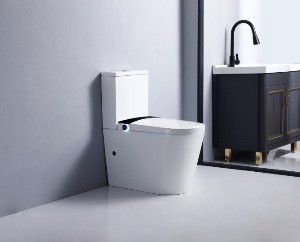
Choosing a smart toilet in Australia can transform an ordinary bathroom into a more comfortable and functional space. These toilets combine traditional flushing with integrated features such as water cleansing, heated seating, temperature control, warm-air drying, automatic flushing, and intuitive controls. With different models available, homeowners can select technology that fits their lifestyle, bathroom design, and budget.
What Is a Smart Toilet?
A smart toilet is an advanced bathroom fixture that incorporates electronic controls and automated functions into a traditional toilet design. Instead of providing only flushing functionality, it can offer a range of features designed to improve comfort and personal hygiene.
Many smart toilets include an integrated bidet system. After using the toilet, users can activate a controlled stream of water for cleansing. Depending on the model, the spray position, pressure, and temperature may be adjustable.
Other features can include heated seats, warm-air drying, automatic deodorisation, night lighting, touch-free flushing, and remote controls. Some systems are designed with multiple user settings, allowing household members to personalise their preferred functions.
Benefits of Smart Toilets for Australian Homes
One of the biggest benefits is enhanced personal hygiene. Water-based cleansing can provide a thorough and comfortable alternative to relying entirely on toilet paper. For many users, this creates a fresher and more convenient bathroom routine.
Comfort is another major advantage. A heated seat can be particularly appealing during cooler months, while adjustable water temperature allows users to choose a comfortable cleansing experience. Warm-air drying can further reduce dependence on toilet paper.
Smart toilets can also contribute to a more streamlined bathroom design. Since many functions are integrated into one fixture, there may be less need for additional bathroom equipment. This can be especially useful in contemporary bathrooms where clean lines and efficient use of space are important.
Automation adds another layer of convenience. Features such as automatic flushing and hands-free operation can reduce the need to touch frequently used surfaces. This can make the bathroom experience more convenient for households seeking modern technology.
Important Features to Consider
Not all smart toilets provide the same features, so it is important to consider practical requirements rather than choosing a model based solely on the number of functions.
Water cleansing is one of the most important features to assess. Adjustable pressure and temperature can improve comfort, while a well-designed nozzle system can make cleaning more hygienic and effective.
A heated seat is another popular feature. If multiple people will use the toilet, personalised settings can be particularly useful. Some advanced models allow different users to save preferred cleansing or comfort settings.
Automatic flushing can provide additional convenience, while night lighting can make the toilet easier to use without turning on bright bathroom lights during the night. Deodorisation systems may also help maintain a fresher bathroom environment.
Installation Requirements in Australia
Before purchasing a smart toilet, homeowners should assess the bathroom's existing plumbing and electrical configuration. Smart toilets require electricity to operate their electronic functions, so the power connection needs to be installed appropriately for a bathroom environment.
Australian electrical and plumbing requirements should be considered during installation. Professional installation can help ensure that the toilet is connected correctly and that relevant safety requirements are followed.
The dimensions of the bathroom should also be checked carefully. Measurements should include the available floor area, toilet position, water connection, power location, and clearance around doors and other fixtures.
Maintenance and Long-Term Use
Although smart toilets contain more technology than conventional toilets, routine care can be straightforward when the manufacturer's instructions are followed. Exterior surfaces should be cleaned with suitable bathroom cleaning products and a soft cloth.
Integrated cleansing nozzles often include self-rinsing or cleaning functions. However, regular inspection and maintenance are still recommended to ensure reliable operation.
Water filters and other replaceable components should be checked when required. The toilet's electrical and plumbing connections should also be kept secure and inspected if any unusual behaviour, leakage, or performance issue occurs.
Conclusion
A smart toilet can provide a combination of advanced hygiene, everyday comfort, convenient automation, and contemporary bathroom design. From heated seating and water cleansing to automatic flushing and warm-air drying, modern systems can make routine bathroom use significantly more comfortable.
For Australian homeowners, choosing the right model involves more than comparing features. Bathroom dimensions, plumbing, electrical requirements, maintenance, reliability, and personal preferences should all be considered before making a purchase.