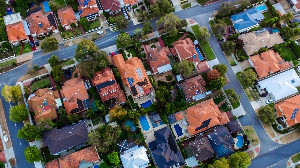
Property investors usually get better long-term results by focusing on market fundamentals instead of short-term price noise. In Brisbane, those fundamentals have remained supportive because population growth, limited rental supply & ongoing infrastructure activity continue to shape demand. Queensland also recorded one of the strongest quarterly rises in dwelling values nationally in the December 2025 quarter, which shows that the state is still benefiting from broad housing momentum. At the same time, Australia’s housing market remains tied to supply constraints, with dwelling approvals & commencements improving but still not fully resolving pressure across major cities.
When assessing Brisbane investment property suburbs, investors should look beyond headline growth & ask what will keep demand in place over the next five to ten years. Suburbs with access to transport, employment hubs, schools & established retail tend to hold buyer & tenant interest more consistently than areas driven only by short bursts of speculation. The long-run Australian housing pattern also supports this approach, because the Reserve Bank notes that strong population growth has become an increasingly important driver of housing prices over time. That means suburb quality still matters, but it matters most when paired with durable demand.
Another reason Brisbane remains attractive is rental market pressure. SQM Research’s early April 2026 data shows Brisbane asking rents at about $816 per week for houses, about $630 for units & about $732 combined, with annual growth still positive. Tight rental settings generally support investor holding power because stronger rent can offset higher finance & maintenance costs. This does not guarantee capital growth on its own, but it does improve the investment case for suburbs where tenant demand stays reliable & vacancies remain controlled.
Investors should still be selective, because not every suburb will deliver the same result. Areas that combine owner-occupier appeal, constrained supply & high rental yield are usually in a better position than locations with weak local demand or too much similar stock. Brisbane’s unit & house asking prices have both posted strong yearly growth in SQM’s latest city-level figures, but future performance will depend on whether each suburb can keep attracting residents, not just investors.
So, are Brisbane investment property suburbs good for long-term growth? Many are, but the stronger opportunities are likely to be the suburbs where rental demand, liveability, infrastructure access & supply discipline all work together. That is where long-term growth usually becomes more sustainable.
Author Resource:-
Rick Lopez advises people about real estate, property investment, property management and affordable housing schemes. Take the first step towards financial freedom - Start by buying a rental property!