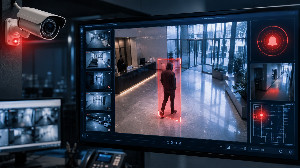
RTSP (Real Time Streaming Protocol) is the backbone of most IP camera systems, letting cameras send live video to recording servers, monitoring software and third-party platforms. On its own, RTSP just moves a video stream from point A to point B. RTSP camera alerts are what turn that raw stream into something a security team can actually act on.
The Gap Between Streaming and Monitoring
A camera streaming over RTSP is only useful if someone or something is watching it. Most facilities have too many cameras and not enough staff to watch every feed live. Alerts solve this by letting analytics software process the RTSP stream in the background and only surface a notification when something worth attention happens - a person entering a restricted zone, a vehicle idling too long or motion after hours. Discover smarter protection with computer vision security monitoring - visit our website to learn more.
Why This Matters for Multi-Vendor Systems
RTSP is a standard protocol, which means cameras from different manufacturers can feed into a single monitoring platform without needing proprietary software from each brand. This is a major reason facilities with mixed camera brands can still run unified alerting across their entire system. Without protocol-level alerts, each camera brand would need its own separate monitoring app, which fragments oversight across multiple screens and logins.
Reducing Response Time
An alert tied directly to an RTSP feed can include a live snapshot or short clip at the moment of detection, sent to a phone or monitoring dashboard within seconds. This lets a guard or manager verify what happened without walking to a server room or logging into a separate recording system. For time-sensitive events like break-ins or safety hazards, this shortens the gap between detection and human response.
Bandwidth and Reliability Considerations
Because RTSP streams run continuously, alert systems are typically built to process video locally or on a nearby server rather than sending every frame to the cloud for analysis. This keeps alerting fast even on sites with limited internet bandwidth and it reduces the risk of missed alerts if the connection to a remote server drops.
Practical Use Cases
Retail stores use RTSP camera alerts to flag after-hours entry. Warehouses use them to catch unauthorized access near loading docks. Parking facilities use them to detect vehicles in restricted spots. In each case, the alert is what makes the camera useful for prevention rather than just after-the-fact review.
Without alerting built on top of the stream, RTSP is just video moving from one place to another - the alerts are what make it a monitoring tool.
Author Bio:
Vibrans Allter is a technology writer and security enthusiast specializing in AI-powered camera monitoring, computer vision security systems and on-prem video analytics solutions. You can find his thoughts at smart security blog.