- What to Do if You're too Sad to Sleep
- Why Grass Pollen Allergies are so Common in Oregon
- Tips to Live a Healthier Lifestyle
- 6 Benefits of Doing Yoga
- How to Lose Weight Healthily
- Why Sunscreen is the Most Important Product in Your Skincare Routine
- 3 Benefits of Having a Health Coach
- Does Insurance Cover Weight Loss Programs?
- Is Jealousy A Red Flag In A Relationship?
- What Factors Can Increase the Risk of Postpartum Depression
- Are Oral Allergy Drops as Effective as Allergy Shots?
- How to Know the Pollen Count in Washington
- Four Things You Should Include in Your Bedtime Routine
- Four Reasons Why You Should Not Have a TV in Your Bedroom
- Tips To Increase Your Flexibility
- What Not to Say to Someone Struggling with an Eating Disorder
- Why You Should Consult a Professional Before Starting Your Weight Loss Journey
- How Long Should My Workouts Be?
- How to Get My Child the Covid Vaccine
- Four Signs Someone Has PTSD
- Tips on How to Create a Good Work-Life Balance
- Why Social Media is Toxic for People's Self-Esteem
- 3 Benefits of Having a Virtual Weight Loss Doctor When Trying to Lose Weight
- How Much Does It Cost to Have Excess Skin Removed Surgically?
- Is Online Therapy Confidential?
- How to Get an Autism Diagnosis
- How to Test Your Child for Allergies
- Can I Own a Cat if I'm Allergic to Them?
- Tips to Increase Your Cardiovascular Endurance
- Guide to Healthily Getting in Shape
- Is Dieting Effective for Weight Loss?
- 4 Tips on How to Start Eating Healthier
- What are the Signs Someone May Have Autism?
- Guide on How to Help a Victim of Domestic Violence
- Three Ways to Identify Someone is Having a Psychotic Episode
- How to Improve Your Physical Balance
- 4 Benefits of Doing Calisthenics Exercises
- Tips to Help Control Your Anger
- Why You Shouldn't Self-Diagnose By Looking Up Your Symptoms Online
- Is Selective Mutism a Form of Social Anxiety?
- 3 Signs I Have Allergies
- What Are the Dangers of Taking Too Much Allergy Medication?
- What is Someone's Metabolic Profile?
- How Effective is Wegovy for Weight Loss?
- 4 Benefits of Going to Counseling for Parenting
- Can a Therapist Help Me With My Social Anxiety?
- Tips to Improve Your Energy Levels
- 4 Things You Can Buy at a Nutrition Store
- Can Protein Smoothies Replace a Meal?
- What is a Healthy Blood Pressure Level?
- 3 Benefits of Guided Workouts
- 3 Signs Someone May Have a Gambling Addiction
- Why It's Important to Have a Safe Space When You're Queer
- How to Help Someone Who Has Amnesia
- Does Humidity Impact Pollen Levels?
- 3 Treatments for OAS
- Tips to Motivate Yourself
- Why You Should Speak up When Someone is Being Bullied
- Tips to Help with the Symptoms of PCOD
- How Common Is PCOS In Women?
- Can Naltrexone-Bupropion Help with Depression?
- 7 Side Effects of Phentermine-Topiramate
- Why Fitness Misinformation is Harmful
- 3 Benefits of 1-on-1 Training
- How to Have a Baby When You Struggle with Fertility
- How Painful is PCOS?
- Can Fathers Have Perinatal Mood and Anxiety Disorder?
- Narcolepsy vs. Hypersomnia
- How Forgiving Others Benefits You
- Can Fathers Get the Baby Blues?
- The Difference between Motor and Vocal Tics
- Tips for Relieving Joint Pain Caused by Allergies
- What to Do if You Have an Allergic Reaction
- Tips to Help Relieve Muscle Pains
- Is it Safe to Work Out While Pregnant?
- 4 Essential Vitamins for Men
- Tips to Help with Digestion Problems
- How to Prevent Vitamin Deficiency
- 3 Exercised You Can Do At Your Desk
- Why You Should Always Talk to a Doctor before Taking Weight Loss Medication
- Tips on How to Deal with Hormonal Acne
- What is Lean PCOS?
- What is Antisocial Personality Disorder?
- Tips on How to Have Better Time Management
- 4 Reasons Why Everyone Should Go to Therapy
- Can Insulin Resistance Cause Diabetes?
- Is Treatment for PCOS Lifelong?
- Tips for Overcoming Claustrophobia
- How Does Ageing Impact Our Mental Health?
- What is Somatic Symptom Disorder?
- Why Do People Self-Harm?
- How Therapy Can Impact Your Overall Mental Health
- 3 Foods to Avoid if You are at Risk for Heart Disease
- 4 Ways to Lower Your Cholesterol
- What is an Allergy?
- 3 Most Problematic Allergies in Texas
- Best Treatments for OCD
- 4 Signs You Should See a Psychiatrist
- What is Online Schema Therapy?
- 3 Benefits of Exercising When You Have PCOD
- 3 Ways Stress Can Impact Your PCOS Treatment
- Why Do You Grow Excess Facial Hair When You Have PCOD?
- Is PCOS Preventable?
- 5 Benefits of Collagen
- Guide to Having Soft Skin
- Is Protein Powder Vegan?
- Tips to Help With Car Sickness
- Why You Should Moisturize Every Day
- 4 Things You Should Include in Your Skincare Routine
- What are Possible Side Effects When Taking Contrave?
- Can I Eat Sugar When Trying to Lose Weight?
- What are the Signs Someone May Have ADHD?
- Why Couples Should Go to Marriage Counselling Before They Get Married
- How Traumatic Events Impact Your Mental Well-Being
- Can You Cure PTSD?
- How to Unlearn Toxic Masculinity
- 3 Calming Techniques to Help With Anxiety
- Can You Drive After Taking Allergy Medicine?
- What Happens If My Body Has Too Much Iron in It?
- Guide on How to Start Living a Healthier Lifestyle
- The Benefits of Taking Vitamin B Daily
- Signs You May Have ADHD
- 3 Benefits of Having a Virtual Doctor
- Can You Prevent Diabetes?
- Tips on How to Healthily Lose Weight
- Tips on How to Healthily Lose Weight
- Dry Throat Remedies You Must Try
- 4 Best Tips to Help Relieve Body Aches
- Guide to Allergy Relief
- Why Online Doctor Visits Are Great
- Why Do People With PCOS Suffer With Depression?
- 3 Ways to Combat Fatigue
- 3 Ways to Regulate Your Sleep Schedule
- Can I Use Insurance to Cover My Vitamins?
- 3 Signs You May Have PCOD
- Tips to Regulate Your Metabolism
- Are There Supplements I Can Take to Help With My PCOS Symptoms?
- Best Medications for Migraines
- 4 Signs You Are Going Through Menopause
- 3 Signs You're Allergic to Your Animals
- Symptoms You Have High Histamine Levels
- How Common is Postpartum Depression?
- 6 Causes of Mood Swings
- What is Gender-Affirming Care?
- 2 Treatments for ADHD
- Does PCOD Always Cause Weight Gain?
- Symptoms That You May Have PCOS
- What is Considered a Disability?
- 4 Impacts an Eating Disorder Can Have on Your Body
- Do I Have to Get a Shot To Stop Being Allergic to Cats?
- What is Sublingual Allergy Immunotherapy?
- 5 Benefits of Taking Chlorophyll Daily
- How Do GLA Vitamins Help You During Your Menstrual Cycle?
- Is Zinc Necessary?
- 3 Ways to Help Stop Your Kids from Getting Sick at School
- Tips on How to Increase Your Mental Clarity
- How Often Should You Go to the Eye Doctor?
- How to Lose Weight Healthily
- 5 Best Remedies for Sinusitis
- Signs You May Be on the Spectrum
- Why Therapy is a Form of Self-Love
- What is Myo-Inositol?
- What is Testosterone?
- Guide to Dealing with Allergy Season in Austin
- Best Ways to Stop Post Nasal Drip
- Most Popular Body Parts to Get Dermal Fillers
- 5 Reasons You Should See a Dermatologist
- Tips on How to Run a Marathon
- How Increased Energy Levels Can Lead to Increased Focus
- Benefits of Vitamin D
- What are the Benefits of Protein Bars?
- Tips on How to Stop Snacking
- Will I Gain Weight if I Take Protein Powder?
- How to Prevent Lip Filler Migration
- Tips on How to Prevent Skin Cancer
- What are the Health Benefits of Peanut Butter?
- Can I Snack When I'm on a Weight Loss Journey?
- When Should I Be Drinking Protein Powder?
- Should I Take Aldactone if I Have PCOS?
- Why Good Nutrition is Important When You Have PCOS
- Why Access to Mental Health is So Important
- Everything You Need to Know About the Rise of Telemedicine
- Why More People Have Anxiety Today Than Ever Before
- Guide on How to Stop Feeling Trapped
- Tips for Growing Your Company
- 3 Places You Should Not Visit if You Have Pollen Allergies
- 4 Ways to Get Rid of a Double Chin
- Do Dermatologists Help with Hair Loss?
- How Does Pre-Workout Work?
- Guide to Things You Can Add Protein Powder to
- 4 Ingredients in Vegan Protein Powders
- Should I Shower Right When I Come Home if I Have Allergies?
- What is Glycomet Used For?
- 5 Best States for Tree Pollen Allergy Sufferers
- What is Krimson 35?
- 3 Reasons You May Be Dealing with Low Motivation
- Why a Good Relationship with Food is so Important
- 7 Most Common Medications for Anxiety
- Can My Whole Family Have the Same Doctor?
- What is Melasma Treatment?
- What is Sclerotherapy?
- Is Collagen Good for Your Skin?
- 4 Ways to Get Rid of Crow's Feet around Your Eyes
- What to Know Before You Start a Detox
- What is a Family Doctor?
- How Often Should I Go to the Doctor?
- Guide to Starting a Mental Health Journey
- How Low Self-Esteem Impacts Your Daily Life
- 3 Treatments For PCOS
- Do You Gain Weight If You Have PCOS?
- Tips for Treating Cystic Acne
- What is Fraxel Treatment?
- How Your Diet Impacts Your Cholesterol
- What are Statins?
- How are Wrinkles in the Skin Created?
- 4 Ways to Beat Winter Dry Skin
- Guide on How to Exfoliate Your Body
- Is PCOD Contagious?
- Which Doctors Treat PCOS?
- Why Talking to Others Who Have the Same Diagnosis is Beneficial
- 3 Myths about Borderline Personality Disorder
- Why Your Body Lotion Should Be Unscented
- 4 Ingredients Your Body Wash Should Have
- Why Do People Use Gel Masks?
- Can Eating Red Meat Help with Anemia?
- Why Skin Care is Important
- 6 Reasons You Should See a Cardiologist
- Is Mole Removal Painful?
- Why Mayo Clinic is a Reputable Source
- 3 Reasons to Get Mohs Reconstructive Surgery
- 3 Ways to Prepare for Cosmetic Surgery
- Understanding What Spider Veins on Your Face Are
- Understanding What Amenorrhea Is
- What is the Fertility Rate among Those Who Have PCOS?
- 5 Most Popular Spots to Get Botox on Your Body
- 3 Benefits the Yasmin Pill Has for Women With PCOS
- 4 Things Chin Filler Can Fix
- How to Reverse Photoaging
- Type 1 vs. Type 2 Diabetes
- What is Toxic Masculinity?
- Why Do Some People Go Bald?
- Can You Cure Sleep Apnea?
- Can I Eat Chocolate and Still Lower My Cholesterol?
- What are Non-GMO Foods?
- How to Ensure You're Getting Enough Vitamin D
- Why It Is Important to Protect Your Heart Health
- Tips to Increase Your Mental Sharpness
- Why You Should Visit Your Doctor Yearly
- How Can I Get an Inhaler for My Asthma?
- Can My Doctor Recommend Me to a Psychiatrist?
- How Much Weight Should I Lose in a Week?
- How Does Sugar Impact Your Cholesterol?
- Can a Serum Help with Anti-Aging?
- Everything Calcium Benefits in Your Body
- Do Gummy Vitamins Have the Same Benefits as Traditional Vitamins?
- Migraines vs. Headaches
- How to Get on Birth Control
- What are Mood Swings?
- Tips to Get Over Jealous Feelings
- How Much Sugar is Too Much Sugar?
- Guide to Picking Heart-Healthy Food at the Store
- Tips to Prevent Hair Loss
- Can You Prevent PCOS Weight Gain?
- Tips to Prevent Underarm Sweat
- How Often Do I Have to See an OB-GYN?
- How to Minimize The Appearance of Spider Veins On Your Legs?
- Benefits of Ashwagandha
- Guide to Good Vaginal Health
- Tips on How to Improve Your Gut Health
- Understanding the Autism Spectrum
- Why Eating Disorders Are More Common Than You Think
- Benefits of Microneedling
- 4 Ways to Treat Cystic Acne
- What is the Supplement Alfalfa Used For?
- What are Prebiotics?
- Best Vitamins For Runners
- 3 Medications That Help With High Cholesterol
- Is Zocor Effective in Lowering Blood Pressure?
- Remedies for Bronchitis
- How Do You Get A Sinus Infection?
- Why Men Should Visit a Dermatologist
- How to Get Rid of Scars
- 4 Ways to Thicken Your Eyelashes
- Steps on How to Use a Clay Mask
- How Much Sunblock Should I Wear on My Face?
- 4 Healthy Ways to Prepare Your Oatmeal
- Does Mevacor Decrease Your Cholesterol?
- The Importance of Men Having Regular Doctor Visits
- How Does Therapy For Hormone Replacement Work?
- How to Ease Work Stress For Your Employees
- Why Finals Lead to an Increase in Student Stress
- How Much Should I Spend When Getting Botox?
- Guide to Heart Healthy Meals
- Guide to Having Great Digestion
- Medspa vs. Day Spa
- History of Microneedling and Why It Began
- Is a Face Toner Necessary?
- Steps to a Good Skincare Routine
- Can BB Cream Reduce the Look of Fine Lines?
- Can I Exercise After Getting Botox?
- When Will The Swelling From Botox Go Down?
- How to Reduce Joint Inflammation
- Tips on How to Reduce The Risk of Osteoporosis
- Are Prenatal Supplements Necessary When Pregnant?
- 3 Best Heart Healthy Meals
- 3 Health Benefits of Granola
- At Home Remedies to Help With IBS Symptoms
- Why Virtual Therapists Are Vital to Combating Today's Mental Health Crisis
- Why Talking About Your Mental Health is Important For Teens
- How Many Sessions Are Required for Microneedling?
- Is Lipoma Removal Dangerous?
- Is Skin Cancer Deadly?
- 3 Ways Dark Chocolate Benefits Your Heart
- What Nutrients Does Peanut Butter Have?
- 3 Benefits of 7 Cups Mental Health Platform
- How to Stop Passing on Generational Trauma
- What is Carbon Health?
- 3 Medications to Treat Adult ADHD
- 3 Signs You May Have Heart Health Issues
- Are Herbal Laxatives More Effective?
- Why It's Important to Nurture Your Mental Health
- Tips to Finding The Right Therapist
- 3 Best Recipes to Add Granola To
- Good Heart Healthy Habits
- What Are Dermal Fillers?
- Are You Getting Enough Vitamins From Your Food? If Not Here's What to Do
- What is Coenzyme Q10?
- How Does Prenatal Supplements Support Pregnancy?
- The Importance of Following Clinical Guidelines
- 3 Symptoms of Dysmetabolic Hyperferritinemia
- Why You Should Talk With Someone if You Have Depression
- Is Therapy Good After a Breakup?
- Is it Healthy to Fast Intermittently?
- What Are Kosher Vitamins?
- Tips to Add More Protein to Your Diet
- 3 Things That Cause Weight Gain
- 3 Things Nose Filler Can Fix
- How Much Minerals Should I Get Every Day?
- Best Multiminerals for Adults
- List of Superfoods You Should Include in Your Diet
- Guide to Reaching Your True Potential
- Benefits of XEOMIN Injections
- What Age Do Crow’s Feet Develop Around The Eyes?
- UVA vs UVB Rays
- Best Flavors for Gummy Vitamins
- How to Help Reduce Under Eye Puffiness
- Why Therapy For Moms Is Important
- Why Do We Get Stretch Marks?
- Understanding the Algorithm of Drug Causality for Epidermal Necrolysis
- 3 Treatments to Altitude Sickness
- What Vaccines do I Need to Travel to India?
- Causes of ESSDAI
- What is The Candida Score?
- Guide to Cholestyramine
- How to Prevent Neck Wrinkles
- How to Be There For Someone Who is Struggling Mentally
- Why am I Always Sweaty?
- Why Does Erectile Dysfunction Happen?
- Vaccine Requirements to Enter The DR
- What is Mechanical Ventilation?
- 3 Problems Men Deal With That No One Talks About
- What Are Gummy Vitamins Made From?
- How do Age Spots Form?
- 3 Methods to Get Rid of Spider Veins in Your Face
- Does Toronto Provide Free Medical Care for Erectile Dysfunction?
- Why is it Harder For Women to Lose Weight?
- How Many Sessions of Laser Hair Removal Do I Have to Get?
- What is an All Purpose Cleaner?
- Does Insurance in Edmonton Cover Male Pattern Baldness?
- 3 Incidents That Leave People Feeling Guilty
- Tips to Getting Even Skin Tone
- 3 Benefits of Dysport Injections
- Why is Male Pattern Baldness So Common?
- Can Men Get Trichomonas?
- Is Hypertension a Serious Medical Issue?
- 3 Things That Help With Nausea
- How Often Should I Exfoliate My Face?
- Can Cystic Acne Be Cured?
- How to Treat Broken Capillaries
- Does Diet Impact Erectile Dysfunction?
- Understanding Bandemia
- How to Implement a Meal Shake Into My Diet
- Is Powder or Bars a Better Protein Source
- How to Get Rid of Pigmentation on Your Skin
- How to Stop Premature Ejaculation
- What Age Should Men Start Getting a Colonoscopy?
- 3 Ways Erectile Dysfunction is Ruining Your Life
- Do New Moles Appear As You Age?
- Statistics on Skin Cancer & Why You Should Worry
- 3 Reasons You Might Be Constipated
- Extra Nutrients We Need As We Age
- Are Electrolytes Healthy?
- How Does Mint Tea Help With Sleep?
- 3 Nutrients Your Brain Needs to Stay Healthy
- 3 Types of Dermal Fillers for The Chin
- Guide on What To Do Before Mohs Surgery
- Can Women Use Viagra?
- How Often Should I See My Gynecologist?
- 3 Causes of Under-Eye Bags?
- How to Treat Excess Underarm Sweat
- Is Keto a Healthy Diet?
- Are Meal Bars Sustainable?
- 3 Ways to Incorporate Vitamin C Into Your Life
- Why You Should Seek Help for Erectile Dysfunction
- What are Tadalafill Pills?
- How to Minimize Wrinkles on Your Face
- 3 Benefits of Lumenis Ultrapulse Laser
- What is Natural High-Octane Fuel?
- What Does "Sugar Free" Products Mean?
- 3 Nutrients That Your Muscle Repair Supplement Should Have
- How to Reduce Hyperpigmentation
- How to Get Luscious Lips
- The Skincare Routine Sensitive Skin Will Love
- How Collagen Supports Healthy Skin From the Inside Out
- Why Chewable Vitamins Aren’t Just for Kids
- Enhance Your Look with Cheek Filler Dr in San Francisco
- How a Rosacea Specialist Can Help You Manage Flare-Ups
- 7 Tips for Choosing the Best Protein Bar for Your Goals
- How Multivitamin Gummies Make Nutrition Simple
- Why Doctors Recommend Supplements to Lower Cholesterol
- Lean Beauty You Can Trust EWG Verified for Your Peace of Mind
- Detox, Energize, Thrive Your Daily Green Powder Ritual
- Deep Clean Laundry, the Natural Way Oxygen-Boosted Freshness
- Early Detection and Effective Basal Cell Carcinoma Treatment
- Everything You Need to Know About Epidermoid Cyst Removal
- The Best Supplements for Kids to Support Growth and Immunity
- Restore Balance Naturally with the Right Vitamins for Digestion
- A Complete Guide to Ordering Vitamins Online with Confidence
- Top Services You Can Expect from a Leading Cosmetic Dermatologist in San Francisco
- How a Treatment for Excessive Sweating Can Help You Regain Control and Confidence
- What to Expect When Preparing for Mohs Surgery
- A Guide to Skin Cancer Removal in San Francisco: Treatments & Care
- What to Look for in Effective Muscle Recovery Supplements
- The Benefits of Switching to Personalized Vitamins
- Why Plant-Based Protein Powder Is a Clean Choice for Daily Nutrition
- 3 Skincare Products Men Should Be Using
- Are Non-Surgical Nose Jobs Permanent?
- What are The Benefits of Creatine?
- Probiotic vs Prebiotic
- Most Common Areas to Get Laser Hair Removal On
- 3 Reasons You Should Prevent UV Exposure on Your Skin
- 3 Benefits of Alfalfa Vitamins
- How Does a Daily Multimineral Help Women?
- Low-Calorie, High-Protein Meal Options
- Are Wrinkles Permanent?
- Why You Should Have Your Moles Checked Often
- A Beginner's Guide to Men's Health Supplements for Energy, Strength and Longevity
- How to Pick the Best Protein Shake Meal Replacement to Hit Your Nutrition Goals
- What to Look for When Choosing Vitamin Packs for Women at Every Stage of Life
- 3 Things to Keep in Mind When Searching for a Dermatologist
- How Does Vitiligo Occur?
- Who Can Take Prenatal Vitamins and Should You
- You Can't Prevent Aging, But Here is How You Can Slow Its Effects on Your Skin
- See the Difference Nutrition Makes From the Inside Out
- The Snack That Works as Hard as You Do
- Every Nutrient Your Body Has Been Asking For
- How Does a CO2 Laser System Work on The Skin?
- Guide to Skin Growths
- Are Sparkling Protein Beverages as Good a Source of Protein As Protein Powder?
- The One Nutrient Most Americans Are Deficient In and How to Fix It
- Always Tired? What Your Body Might Be Missing Each Day
- What Causes the Growth of Cysts?
- Why Excess Sweating Occurs in Some People
- 3 Best Treatments for Cystic Acne
- 3 Best Treatments for Ptosis
- Requirements to Start GLP-1
- What are the Benefits of Emulsifiers in Supplements
- Can Muscle Cream Help With Stiffness From Workouts?
- How to Prevent Lipomas
- Ensuring Your Children Get The Required Nutrients Each Day
- 3 Snack Ideas To Make With Your Protein Powder
- Building Muscle the Vegan Way: What to Look for in Your Supplement
- Benefits of Chemical Peels
- Why Some People Are Rethinking Their Daily Vitamin Routine
- The Role of Healthy Fats in a Balanced Daily Routine
- Cutting Back on Refined Sugar Without Giving Up Sweetness
-
What Sets Minimally Processed Honey Apart From the Grocery Store Bottle
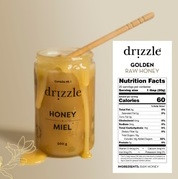
Honey seems simple enough. You grab a squeezable bottle off the shelf, drizzle it on toast, and move on. But the jar of honey from a local beekeeper at the farmers market often looks and tastes quite different from that familiar bottle. The gap comes down to what happens between the hive and the container.
How Standard Honey Is Made
Most honey sold in large grocery chains is heated and filtered before bottling. Heating keeps it runny, slows crystallization, and extends shelf life. Fine filtering removes tiny particles like pollen and wax, which gives the honey a clear, uniform look. The result is smooth and consistent, but some of the natural character is lost along the way. Add a golden touch of natural sweetness to your daily routine with raw honey! Visit this website to learn more and shop today.
What Minimally Processed Honey Looks Like
Minimally processed honey is typically strained just enough to remove large bits of wax and hive debris, then bottled without high heat. Because it keeps more of its natural pollen and enzymes, it often appears cloudier and thicker. Many people call this raw honey, and you may notice it crystallizes over time. That is not a sign of spoilage. It is a natural process, and gently warming the jar in a bowl of warm water will loosen it again.
Flavor and Sourcing Differences
One of the biggest differences is taste. Honey from small producers often reflects the flowers the bees visited, so clover, wildflower, orange blossom, and buckwheat can each taste surprisingly distinct. Commercial blends, on the other hand, are often mixed from several sources to keep the flavor the same from bottle to bottle. If you enjoy exploring flavors, local honey offers plenty to discover.
Tips for Choosing a Good Jar
Read the label closely. Look for the beekeeper's name or region, and check that the ingredient list contains only honey. Terms like "pure" and "natural" are not tightly defined, so they do not tell you much about how the product was handled. If you are unsure, ask the seller how it was processed. Shoppers who prefer raw honey will usually find producers happy to explain their methods.
One safety note: honey should never be given to infants under one year old, no matter how it is processed.
Whether you stick with the supermarket bottle or try something from a local apiary, knowing the difference helps you pick the one that fits your taste and your budget.
Author Resource:-
Alastair Brown writes about natural sweeteners, healthy sugar alternatives and smarter choices for everyday nutrition. You can find her thoughts at sugar substitutes blog.